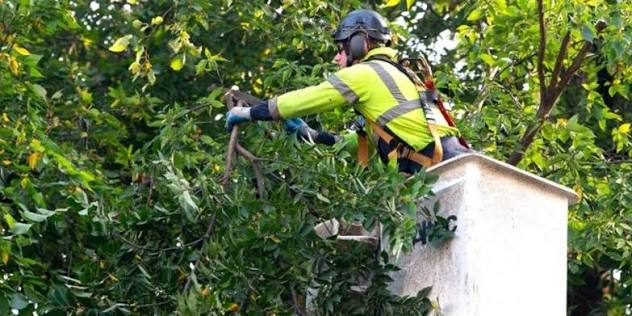
Trees play an important role in creating attractive and environmentally responsible landscapes. They provide natural shade, absorb carbon dioxide, support wildlife, and help reduce the impact of heat in developed areas. Maintaining these benefits requires thoughtful care that considers both the needs of individual trees and the surrounding environment. Sustainable tree maintenance focuses on preserving existing trees, reducing unnecessary waste, and encouraging healthy growth through practical methods.
Preserving established trees is often one of the most effective ways to improve a landscape. Mature trees have already developed extensive root systems and large canopies that may take decades to replace. Before removing an older tree, property owners should consider whether its condition can be improved through appropriate maintenance. An arborist can evaluate its structure, identify potential hazards, and explain whether pruning or other management options may help extend its useful life.
Choosing suitable species is another important part of sustainable planting. Native trees are often well adapted to local soil and climate conditions. They can also provide valuable food and shelter for birds, insects, and other wildlife. Selecting trees according to available space and environmental requirements reduces the likelihood of future conflicts with buildings, sidewalks, and underground utilities. A well-planned planting decision can limit unnecessary maintenance as the landscape develops.
Water conservation should also be considered when developing a tree care routine. Trees generally benefit from deep watering when moisture is needed, rather than receiving frequent small amounts that may not reach their deeper roots. Collecting rainwater where permitted and using suitable mulch can help reduce dependence on additional irrigation. Watering requirements should still be adjusted for soil type, weather, and tree maturity to avoid both drought stress and waterlogging.
Organic mulch is a useful material for maintaining healthy growing conditions. Wood chips, shredded bark, and other suitable organic materials help conserve moisture, control weeds, and moderate soil temperatures. As they gradually decompose, they contribute organic matter to the soil. Using locally available mulch can also reduce transportation requirements. It should be applied in a moderate layer, with enough space left around the trunk to prevent bark deterioration.
Responsible pruning contributes to sustainability by helping preserve trees rather than unnecessarily removing them. Dead, damaged, and hazardous branches can be addressed through selective cutting. Healthy branches should remain whenever possible because foliage supports the tree’s energy production. Pruned material may sometimes be reused as wood chips or other landscape material, provided it is free from serious pest or disease problems. This approach can reduce waste while supporting soil health.
Chemical use should be approached carefully. Fertilizers and pesticides may have a place in specific tree care situations, but routine applications are not always beneficial. Excessive fertilizer can disturb nutrient balance, while unnecessary pesticide use may affect beneficial insects and other wildlife. Identifying the actual problem before choosing a treatment helps reduce environmental impact. Soil testing and professional diagnosis can provide useful guidance when tree health concerns arise.
Protecting mature root systems is equally important. Construction, paving, and heavy equipment can damage roots and compact surrounding soil. Sustainable landscape planning considers these risks before outdoor improvements begin. Maintaining suitable open ground around trees and limiting unnecessary disturbance can support natural root development. When construction is unavoidable, professional advice may help identify protective measures.
Wildlife considerations can further improve the value of a landscape. Trees provide nesting areas, food sources, and shelter for many species. Leaving suitable habitat features where safety permits can support local biodiversity. However, property owners should still monitor trees for structural hazards, especially when they are located near homes or public spaces. Environmental benefits and safety responsibilities should be considered together.
Sustainable tree care is built around long-term preservation rather than short-term appearance. Choosing appropriate species, conserving water, protecting soil, pruning responsibly, and reducing unnecessary chemical use all contribute to healthier landscapes. These practices help property owners maintain attractive outdoor spaces while protecting natural resources and supporting local ecosystems for years to come.
Leave a Reply