A beautiful garden often depends on the health and condition of its trees. Mature trees create natural shade, add depth to outdoor spaces, and provide a comfortable setting for family activities. Smaller ornamental trees can also bring color, texture, and seasonal interest to a landscape. Regardless of their size or purpose, trees benefit from regular attention that supports healthy development and prevents avoidable damage.
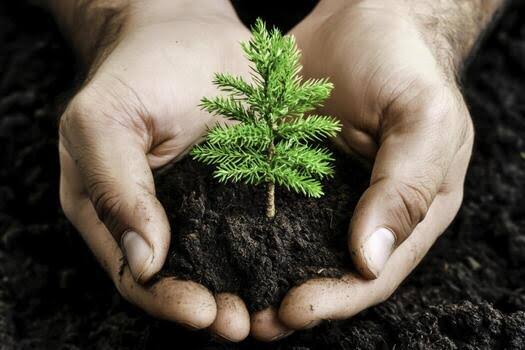
A good starting point is understanding the individual requirements of each tree. Different species have different preferences for sunlight, moisture, soil conditions, and available space. A tree planted in the wrong location may struggle even when it receives regular watering and fertilizer. Before planting new trees, consider their expected height, canopy width, root growth, and distance from buildings, fences, driveways, and underground utilities. Careful planning can prevent future maintenance difficulties.
Healthy roots are the foundation of a strong tree. They absorb essential nutrients and water while keeping the tree firmly anchored. Unfortunately, roots can be affected by compacted soil, construction work, poor drainage, and excessive disturbance. Avoid digging unnecessarily around established trees and try to limit heavy activity beneath their canopies. Maintaining suitable soil conditions gives roots a better opportunity to spread and support healthy growth.
Mulching is a practical way to improve the area surrounding a tree. Organic materials such as wood chips and shredded bark help conserve moisture, reduce weed growth, and protect soil from extreme temperature changes. As these materials gradually decompose, they can contribute organic matter to the soil. A moderate layer is generally sufficient, and mulch should remain several inches away from the trunk to prevent moisture-related bark problems.
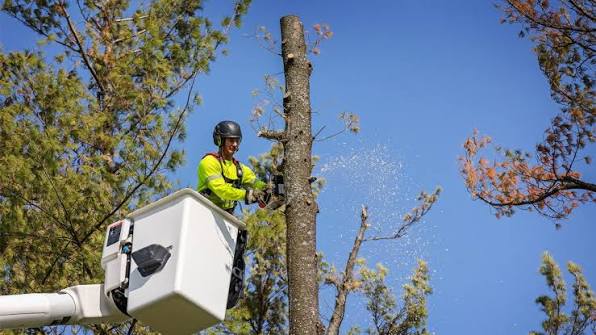
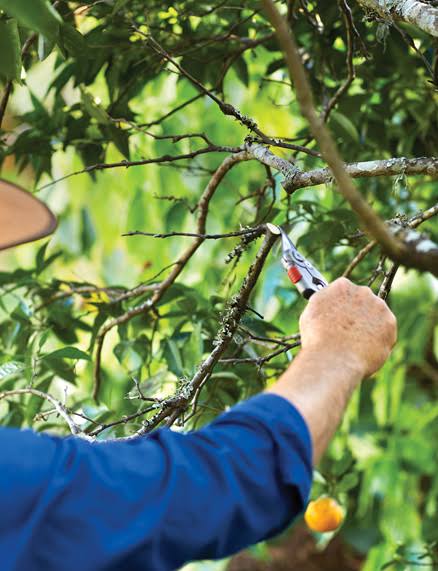
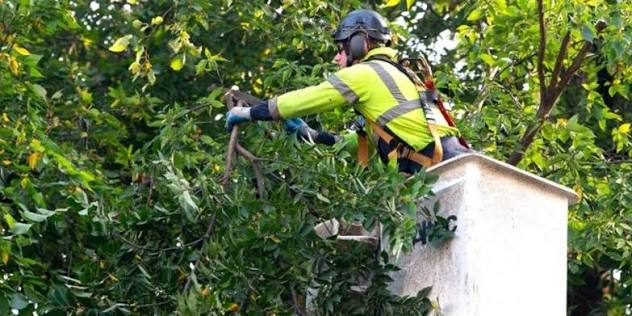
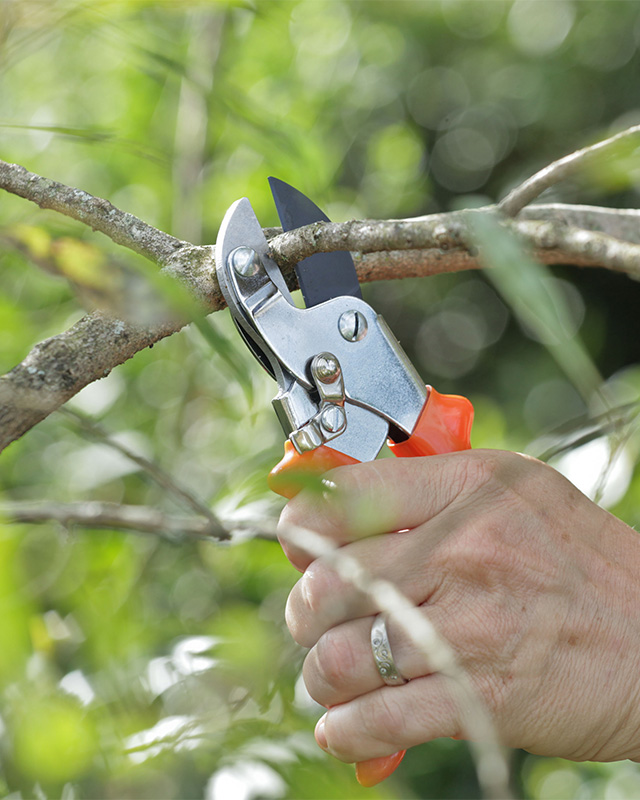
Pruning should be based on the tree’s condition and natural growth pattern. Dead, broken, and diseased branches may need removal to improve safety and maintain a healthy structure. Selective pruning can also reduce overcrowding within the canopy and prevent branches from interfering with nearby structures. However, unnecessary cutting can remove too much foliage and place stress on the tree. Large branches and complicated pruning jobs should be handled by trained tree care professionals.
Watering is especially important during the establishment period after planting. Young trees need consistent moisture while their roots develop, but the soil should not remain constantly saturated. Established trees may need additional water during extended dry weather, depending on their species and location. Checking soil moisture before watering can help prevent both underwatering and excessive irrigation. Applying water slowly around the root zone is often more effective than briefly spraying the surrounding surface.
Garden trees should also be monitored for signs of insects and disease. Changes in leaf color, unusual spots, damaged bark, premature leaf drop, or branches that suddenly stop producing healthy growth may indicate a problem. Some pests are visible on leaves and stems, while others affect the tree internally. Regular observation makes it easier to identify changes early and seek appropriate treatment. When symptoms are unclear, an arborist can help determine the cause and recommend suitable action.
Seasonal weather can influence maintenance requirements throughout the year. Spring is a useful time to inspect new growth and assess any damage left by winter. Summer often requires closer attention to watering and heat stress. During autumn, fallen leaves and damaged branches can be assessed as trees prepare for colder conditions. Winter inspections may reveal structural issues that are harder to see when branches are covered with foliage.
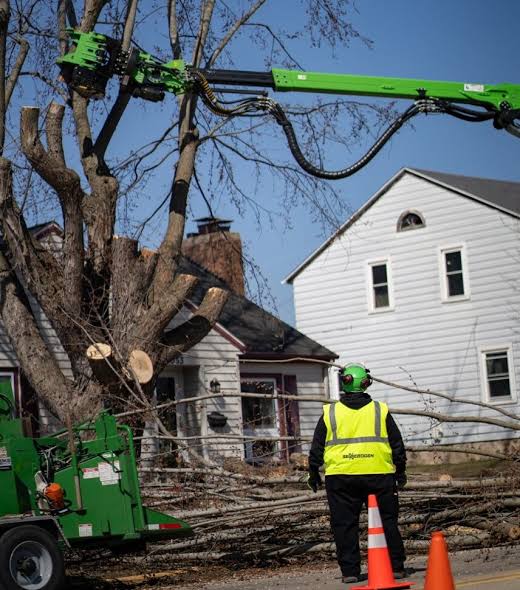
Safety should remain a priority when maintaining trees near homes and outdoor facilities. Branches growing over roofs, parking spaces, and walkways may require professional assessment, particularly if they are dead or weakened. Trees showing major cracks, significant leaning, or signs of root failure should also be evaluated promptly. Climbing trees or operating cutting equipment without proper training can be dangerous.
Consistent care allows garden trees to remain attractive and functional for many years. By providing suitable growing conditions, protecting roots, managing water carefully, and addressing problems early, property owners can maintain a healthier outdoor environment. A little attention throughout the year can make a meaningful difference to the strength, appearance, and longevity of every tree in the landscape.