Trees are among the most valuable features of any outdoor environment. They provide shade during warm weather, improve the appearance of gardens, support birds and other wildlife, and contribute to a healthier atmosphere. Whether growing in a small residential yard or across a large commercial property, trees need suitable conditions and regular attention to reach their full potential. A thoughtful tree care routine helps preserve their natural beauty while reducing the likelihood of preventable problems.
One of the best ways to maintain healthy trees is to pay attention to their growing environment. Sunlight, soil quality, water availability, and surrounding vegetation all influence how well a tree develops. Some species thrive in direct sunlight, while others prefer partially shaded locations. Planting a tree in an unsuitable position can create long-term challenges, especially when it does not have enough room for its roots or branches to expand. Choosing the right species for the available space is therefore an important part of successful landscaping.
Soil quality deserves particular attention because healthy roots are essential for strong tree growth. Roots absorb water and nutrients while anchoring the tree securely in the ground. Compacted soil can restrict their development and reduce the movement of air and water. Adding suitable organic matter and avoiding unnecessary foot traffic around the root zone can help maintain better soil conditions. Property owners should also consider drainage because excessive moisture can damage roots and contribute to fungal problems.
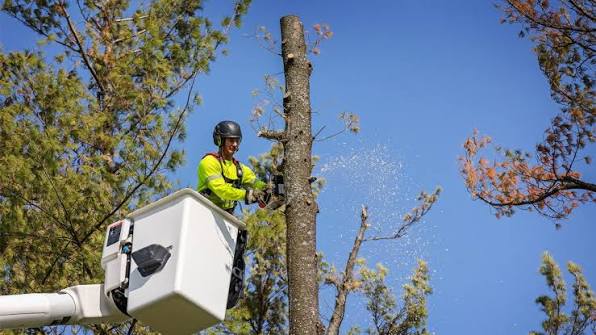
Pruning is another valuable maintenance practice when performed correctly. Trees naturally produce branches that may become weak, damaged, or poorly positioned as they grow. Removing selected branches can improve the tree’s structure, reduce interference with nearby structures, and allow better airflow through the canopy. The goal should be to support natural growth rather than dramatically change the tree’s shape. Large pruning projects and work involving overhead hazards are best handled by qualified professionals.
Watering needs change as trees mature and environmental conditions shift. Young trees require consistent moisture while their root systems become established. During hot and dry periods, even mature trees may experience stress, particularly when growing in restricted urban spaces. Deep watering can help deliver moisture to the root zone, but the frequency should depend on soil conditions and rainfall. Excessive watering is not beneficial because poorly drained soil can deprive roots of the oxygen they need.
Another important aspect of tree maintenance is recognizing early signs of pests and diseases. Leaves with unusual spots, damaged bark, dying branches, and sudden changes in growth may indicate an underlying issue. Some insects attack foliage, while others damage wood or interfere with the movement of nutrients. Regular inspections make it easier to notice these changes before the problem becomes severe. Accurate identification is important because different pests and diseases require different management approaches.
Seasonal care helps trees respond to changing weather conditions. In spring, property owners can inspect new growth and identify branches damaged during winter. Summer maintenance often involves monitoring moisture levels and watching for signs of heat stress. Autumn is a useful period for checking tree structure and clearing fallen debris where appropriate. During winter, dormant trees can be inspected for visible structural problems, although pruning decisions should still account for the needs of each species.
Storm preparation is particularly important for trees located near homes, parking areas, and walkways. Weak branches, damaged trunks, and unstable root systems may become more dangerous during strong winds or heavy snowfall. Regular professional assessments can identify structural weaknesses before severe weather arrives. After a storm, damaged or hanging branches should not be approached or removed without suitable equipment and training.
Trees also provide long-term environmental and financial benefits. Mature trees can make outdoor spaces more comfortable, improve curb appeal, and create attractive natural surroundings. Their shade may reduce direct sunlight around buildings, while their roots can help support soil stability. Protecting established trees is often a worthwhile investment because replacing a mature tree and waiting for a new one to reach a similar size can take many years.
Successful tree care depends on consistency rather than complicated maintenance routines. By choosing suitable planting locations, protecting soil conditions, monitoring tree health, and arranging professional assistance when needed, property owners can maintain stronger and more attractive landscapes. Healthy trees reward that attention with lasting shade, natural beauty, and environmental benefits that continue throughout their lives.
Leave a Reply