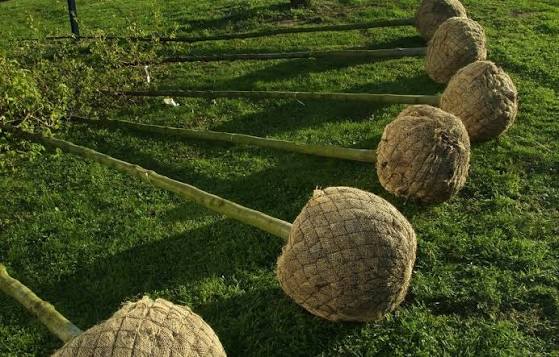
Communities around the world are facing environmental challenges such as extreme heat, heavy rainfall, droughts, and changing weather patterns. These conditions can damage homes, affect agriculture, and threaten people’s livelihoods. Trees offer natural benefits that help communities prepare for and adapt to some of these challenges. By providing shade, protecting soil, managing rainfall, and supporting biodiversity, trees contribute to stronger and more climate-resilient communities.
1. Reducing the Effects of Extreme Heat
Rising temperatures can make outdoor activities uncomfortable and increase health risks, especially for children and older adults. Trees provide shade and cool their surroundings through a process called transpiration. Planting trees near homes, schools, hospitals, and public spaces can help reduce exposure to excessive heat.
2. Managing Heavy Rainfall
Heavy rainfall can cause flooding, particularly in areas with large amounts of concrete and limited green space. Tree canopies intercept some rainfall, while their roots help water enter the soil. These functions can reduce surface runoff and support natural drainage when combined with effective urban infrastructure.
3. Protecting Agricultural Communities
Farmers often face difficulties caused by changing rainfall, strong winds, and high temperatures. Trees planted around agricultural fields can act as windbreaks, provide shade, and help reduce soil erosion. Agroforestry systems can also diversify farm production and provide additional sources of income.
4. Strengthening Soil Against Environmental Damage
Healthy soil is essential for agriculture and natural ecosystems. Tree roots hold soil particles together and reduce erosion caused by wind and water. Fallen leaves add organic matter, which improves soil structure and helps retain moisture. These benefits are especially valuable in areas vulnerable to land degradation.
5. Supporting Water Security
Trees contribute to the natural water cycle by absorbing water through their roots and releasing moisture into the atmosphere. Forest vegetation also protects watersheds and helps reduce sediment entering rivers and reservoirs. Conserving suitable tree cover can support healthier water systems, although tree selection must consider local water availability.
6. Protecting Wildlife During Environmental Changes
Climate change can alter the habitats of many animals and plants. Trees provide shelter, food, and nesting areas that help wildlife survive changing conditions. Connected green spaces and diverse forests can also offer pathways for species to move between suitable habitats.
7. Improving Community Health and Comfort
Tree-covered parks, streets, and gardens create more comfortable outdoor environments. They encourage walking, recreation, and social interaction. Green spaces may also improve mental well-being by providing peaceful places where people can relax and connect with nature.
8. Developing Long-Term Community Plans
Planting trees should be part of a wider environmental strategy. Communities need to select suitable native species, protect mature trees, maintain green spaces, and monitor young plants. Local authorities, schools, farmers, and residents can cooperate to develop programs that address environmental risks and support long-term conservation.
Conclusion
Trees play an important role in helping communities adapt to environmental challenges. They reduce heat, improve soil conditions, support water management, protect wildlife, and strengthen agricultural landscapes. Although trees cannot prevent every climate-related disaster, they provide valuable natural solutions that complement infrastructure and environmental planning. By protecting existing forests and investing in responsible tree planting, communities can build healthier, safer, and more resilient environments for future generations.
Leave a Reply