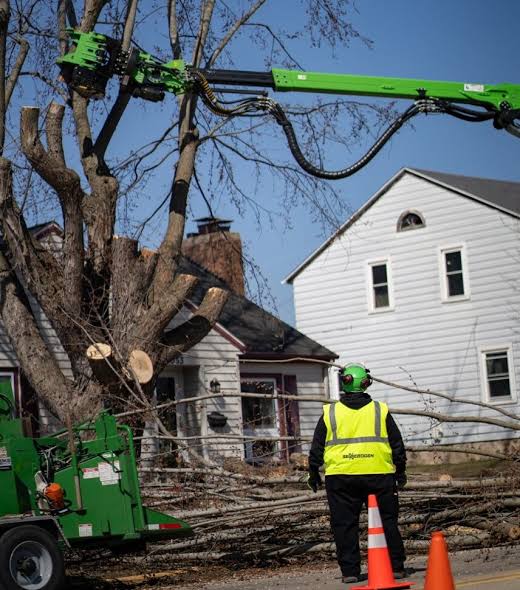
Biodiversity refers to the variety of plants, animals, microorganisms, and other living organisms found on Earth. It is essential for maintaining healthy ecosystems and supporting human life. Trees play a major role in protecting biodiversity because they provide food, shelter, and breeding areas for countless species. Unfortunately, deforestation, pollution, climate change, and habitat destruction are threatening many natural environments. Protecting trees is therefore necessary for preserving the rich variety of life on our planet.
1. Providing Habitats for Different Species
Trees create natural habitats for many organisms. Birds build nests among their branches, insects live beneath their bark, and mammals use tree hollows for shelter. Forests provide complex living environments where different species can find food, reproduce, and survive.
2. Supporting Food Sources
Trees produce fruits, seeds, flowers, leaves, and nectar that serve as food for numerous animals. These natural food sources support birds, monkeys, squirrels, insects, and other wildlife. Different tree species provide food at different times of the year, helping animals survive through changing seasons.
3. Protecting Endangered Animals
Many endangered animals depend on forests for survival. When trees are cut down, wildlife may lose its natural habitat and become more vulnerable to extinction. Protecting forest areas helps preserve important breeding grounds and gives threatened species a better chance of survival.
4. Maintaining Ecological Relationships
Trees support relationships between different organisms. Bees and butterflies visit flowers for nectar and help with pollination. Birds and mammals spread seeds after eating fruits, allowing new plants to grow in different locations. These natural interactions help ecosystems remain balanced and productive.
5. Preserving Genetic Diversity
Different tree species and populations contain genetic variations that help them adapt to diseases, changing climates, and other environmental challenges. Protecting diverse forests preserves this valuable genetic information and supports the long-term survival of plant species.
6. Supporting Healthy Water and Soil Systems
Trees contribute to healthy ecosystems by protecting soil and regulating water movement. Their roots reduce erosion, while fallen leaves add organic matter to the ground. Forest vegetation also helps protect rivers and streams from excessive sediment, supporting aquatic habitats.
7. Reducing the Effects of Habitat Destruction
Urban expansion, agriculture, mining, and industrial development can destroy natural habitats. Protecting existing forests, restoring damaged areas, and creating wildlife corridors can help reduce habitat fragmentation. These actions allow animals to move between suitable habitats and access essential resources.
8. Encouraging Biodiversity Conservation
Governments, environmental organizations, and local communities must work together to protect trees and wildlife. People can support conservation by planting native species, preventing illegal tree cutting, protecting natural habitats, and participating in environmental education programs.
Conclusion
Trees are essential for preserving biodiversity because they provide food, shelter, and suitable living conditions for countless species. They also support pollination, seed dispersal, healthy soil, and natural water systems. The destruction of forests threatens these important ecological relationships and puts many species at risk. By protecting existing trees, restoring damaged forests, and promoting sustainable land management, we can preserve biodiversity and create a healthier planet for future generations.
Leave a Reply