Healthy trees can transform an ordinary outdoor space into a welcoming and attractive environment. They provide natural shade, improve the appearance of gardens, support local wildlife, and contribute to a cleaner atmosphere. However, maintaining trees requires more than occasional watering or cutting away visible branches. Each tree has different growing requirements, and understanding those needs is essential for keeping a landscape healthy throughout the year.
The first step in effective tree maintenance is understanding the condition of each tree. Some species grow quickly and require more frequent pruning, while others develop slowly and need minimal intervention. Tree age, soil conditions, sunlight exposure, and available growing space also influence maintenance requirements. Observing these factors helps property owners develop a practical care routine instead of relying on unnecessary or excessive treatments.
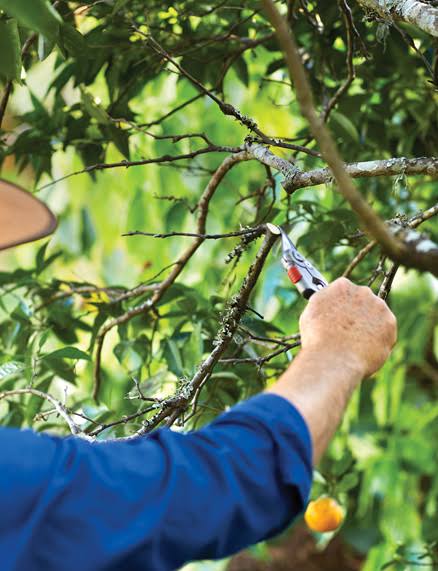
Proper pruning can make a significant difference in tree health and appearance. Removing dead, diseased, or damaged branches allows the tree to direct its resources toward healthy growth. Strategic pruning can also improve airflow through the canopy and reduce branches that interfere with buildings, pathways, or other landscape features. However, cutting too much foliage can place unnecessary stress on a tree. Pruning should follow the natural growth pattern of the species and should be carried out with suitable tools and techniques.
Water management is another important consideration. Trees need sufficient moisture to support root development, nutrient absorption, and healthy foliage. Newly planted trees usually require more attention because their root systems have not yet expanded into the surrounding soil. Established trees may survive normal seasonal conditions with limited additional watering, although prolonged drought can create stress. Applying water slowly around the root zone helps moisture reach deeper soil layers rather than running off the surface.
Mulching can help create better growing conditions when applied correctly. A suitable layer of organic mulch helps retain soil moisture, moderate temperature changes, and reduce competition from weeds. Materials such as shredded bark, wood chips, and composted leaves can gradually improve soil quality as they break down. Mulch should be spread around the tree without touching the trunk. Piling it directly against the bark can trap moisture and increase the risk of decay and pest problems.
Monitoring trees for insects and diseases is equally important. Changes in leaf color, premature leaf loss, unusual spots, damaged bark, and declining branch growth may indicate a problem. Some issues develop gradually, making regular observation especially valuable. Early identification can help prevent minor damage from becoming a larger threat. When the cause is uncertain, consulting a qualified arborist is generally more effective than applying random treatments.
The surrounding landscape also affects tree development. Construction, heavy equipment, soil compaction, and changes in drainage can damage roots even when the visible canopy appears unaffected. Property owners should avoid storing heavy materials over root zones or digging close to established trunks without understanding where major roots are located. Protecting the soil around trees is an important part of preserving their long-term stability.
Weather conditions create additional maintenance challenges. Strong winds, heavy snow, ice accumulation, and severe storms can break branches or expose structural weaknesses. Inspecting trees after extreme weather helps identify damage that may require attention. Large hanging limbs, major trunk cracks, and partially uprooted trees should be evaluated by trained professionals because working around unstable trees can be dangerous.
Professional tree care is particularly useful when a tree becomes too large for routine maintenance or develops a safety concern. Experienced specialists can assess tree structure, recommend appropriate pruning, identify disease symptoms, and determine whether removal is necessary. They also have the equipment and training needed to handle difficult work safely.
A consistent maintenance plan helps protect the health, appearance, and value of a property. By combining careful observation, responsible watering, proper pruning, soil protection, and timely professional support, property owners can create better growing conditions for their trees. Good tree maintenance is not about making constant changes. It is about providing the right care at the right time so trees can remain strong, attractive, and beneficial for many years.
Leave a Reply