Blog

  • Simple Ways to Keep Garden Trees Thriving

    Simple Ways to Keep Garden Trees Thriving

    A beautiful garden often depends on the health and condition of its trees. Mature trees create natural shade, add depth to outdoor spaces, and provide a comfortable setting for family activities. Smaller ornamental trees can also bring color, texture, and seasonal interest to a landscape. Regardless of their size or purpose, trees benefit from regular attention that supports healthy development and prevents avoidable damage.

    A good starting point is understanding the individual requirements of each tree. Different species have different preferences for sunlight, moisture, soil conditions, and available space. A tree planted in the wrong location may struggle even when it receives regular watering and fertilizer. Before planting new trees, consider their expected height, canopy width, root growth, and distance from buildings, fences, driveways, and underground utilities. Careful planning can prevent future maintenance difficulties.

    Healthy roots are the foundation of a strong tree. They absorb essential nutrients and water while keeping the tree firmly anchored. Unfortunately, roots can be affected by compacted soil, construction work, poor drainage, and excessive disturbance. Avoid digging unnecessarily around established trees and try to limit heavy activity beneath their canopies. Maintaining suitable soil conditions gives roots a better opportunity to spread and support healthy growth.

    Mulching is a practical way to improve the area surrounding a tree. Organic materials such as wood chips and shredded bark help conserve moisture, reduce weed growth, and protect soil from extreme temperature changes. As these materials gradually decompose, they can contribute organic matter to the soil. A moderate layer is generally sufficient, and mulch should remain several inches away from the trunk to prevent moisture-related bark problems.

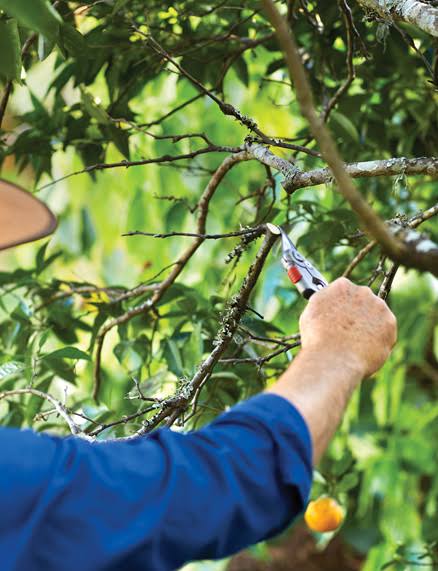
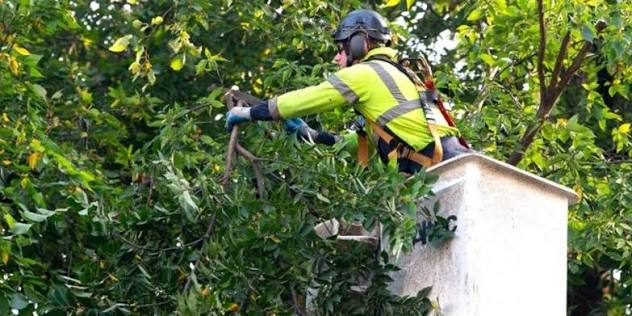
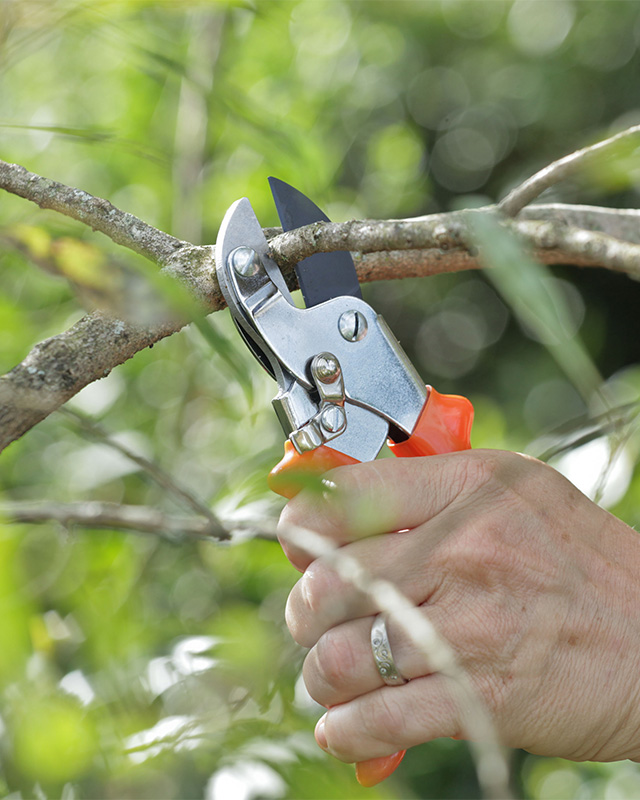
    Pruning should be based on the tree’s condition and natural growth pattern. Dead, broken, and diseased branches may need removal to improve safety and maintain a healthy structure. Selective pruning can also reduce overcrowding within the canopy and prevent branches from interfering with nearby structures. However, unnecessary cutting can remove too much foliage and place stress on the tree. Large branches and complicated pruning jobs should be handled by trained tree care professionals.

    Watering is especially important during the establishment period after planting. Young trees need consistent moisture while their roots develop, but the soil should not remain constantly saturated. Established trees may need additional water during extended dry weather, depending on their species and location. Checking soil moisture before watering can help prevent both underwatering and excessive irrigation. Applying water slowly around the root zone is often more effective than briefly spraying the surrounding surface.

    Garden trees should also be monitored for signs of insects and disease. Changes in leaf color, unusual spots, damaged bark, premature leaf drop, or branches that suddenly stop producing healthy growth may indicate a problem. Some pests are visible on leaves and stems, while others affect the tree internally. Regular observation makes it easier to identify changes early and seek appropriate treatment. When symptoms are unclear, an arborist can help determine the cause and recommend suitable action.

    Seasonal weather can influence maintenance requirements throughout the year. Spring is a useful time to inspect new growth and assess any damage left by winter. Summer often requires closer attention to watering and heat stress. During autumn, fallen leaves and damaged branches can be assessed as trees prepare for colder conditions. Winter inspections may reveal structural issues that are harder to see when branches are covered with foliage.

    Safety should remain a priority when maintaining trees near homes and outdoor facilities. Branches growing over roofs, parking spaces, and walkways may require professional assessment, particularly if they are dead or weakened. Trees showing major cracks, significant leaning, or signs of root failure should also be evaluated promptly. Climbing trees or operating cutting equipment without proper training can be dangerous.

    Consistent care allows garden trees to remain attractive and functional for many years. By providing suitable growing conditions, protecting roots, managing water carefully, and addressing problems early, property owners can maintain a healthier outdoor environment. A little attention throughout the year can make a meaningful difference to the strength, appearance, and longevity of every tree in the landscape.
  • The Importance of Trees in Protecting Biodiversity

    The Importance of Trees in Protecting Biodiversity

    Biodiversity refers to the variety of plants, animals, microorganisms, and other living organisms found on Earth. It is essential for maintaining healthy ecosystems and supporting human life. Trees play a major role in protecting biodiversity because they provide food, shelter, and breeding areas for countless species. Unfortunately, deforestation, pollution, climate change, and habitat destruction are threatening many natural environments. Protecting trees is therefore necessary for preserving the rich variety of life on our planet.

    1. Providing Habitats for Different Species

    Trees create natural habitats for many organisms. Birds build nests among their branches, insects live beneath their bark, and mammals use tree hollows for shelter. Forests provide complex living environments where different species can find food, reproduce, and survive.

    2. Supporting Food Sources

    Trees produce fruits, seeds, flowers, leaves, and nectar that serve as food for numerous animals. These natural food sources support birds, monkeys, squirrels, insects, and other wildlife. Different tree species provide food at different times of the year, helping animals survive through changing seasons.

    3. Protecting Endangered Animals

    Many endangered animals depend on forests for survival. When trees are cut down, wildlife may lose its natural habitat and become more vulnerable to extinction. Protecting forest areas helps preserve important breeding grounds and gives threatened species a better chance of survival.

    4. Maintaining Ecological Relationships

    Trees support relationships between different organisms. Bees and butterflies visit flowers for nectar and help with pollination. Birds and mammals spread seeds after eating fruits, allowing new plants to grow in different locations. These natural interactions help ecosystems remain balanced and productive.

    5. Preserving Genetic Diversity

    Different tree species and populations contain genetic variations that help them adapt to diseases, changing climates, and other environmental challenges. Protecting diverse forests preserves this valuable genetic information and supports the long-term survival of plant species.

    6. Supporting Healthy Water and Soil Systems

    Trees contribute to healthy ecosystems by protecting soil and regulating water movement. Their roots reduce erosion, while fallen leaves add organic matter to the ground. Forest vegetation also helps protect rivers and streams from excessive sediment, supporting aquatic habitats.

    7. Reducing the Effects of Habitat Destruction

    Urban expansion, agriculture, mining, and industrial development can destroy natural habitats. Protecting existing forests, restoring damaged areas, and creating wildlife corridors can help reduce habitat fragmentation. These actions allow animals to move between suitable habitats and access essential resources.

    8. Encouraging Biodiversity Conservation

    Governments, environmental organizations, and local communities must work together to protect trees and wildlife. People can support conservation by planting native species, preventing illegal tree cutting, protecting natural habitats, and participating in environmental education programs.

    Conclusion

    Trees are essential for preserving biodiversity because they provide food, shelter, and suitable living conditions for countless species. They also support pollination, seed dispersal, healthy soil, and natural water systems. The destruction of forests threatens these important ecological relationships and puts many species at risk. By protecting existing trees, restoring damaged forests, and promoting sustainable land management, we can preserve biodiversity and create a healthier planet for future generations.

  • The Importance of Healthy Trees in Every Landscape

    The Importance of Healthy Trees in Every Landscape

    Trees are among the most valuable features of any outdoor environment. They provide shade during warm weather, improve the appearance of gardens, support birds and other wildlife, and contribute to a healthier atmosphere. Whether growing in a small residential yard or across a large commercial property, trees need suitable conditions and regular attention to reach their full potential. A thoughtful tree care routine helps preserve their natural beauty while reducing the likelihood of preventable problems.

    One of the best ways to maintain healthy trees is to pay attention to their growing environment. Sunlight, soil quality, water availability, and surrounding vegetation all influence how well a tree develops. Some species thrive in direct sunlight, while others prefer partially shaded locations. Planting a tree in an unsuitable position can create long-term challenges, especially when it does not have enough room for its roots or branches to expand. Choosing the right species for the available space is therefore an important part of successful landscaping.

    Soil quality deserves particular attention because healthy roots are essential for strong tree growth. Roots absorb water and nutrients while anchoring the tree securely in the ground. Compacted soil can restrict their development and reduce the movement of air and water. Adding suitable organic matter and avoiding unnecessary foot traffic around the root zone can help maintain better soil conditions. Property owners should also consider drainage because excessive moisture can damage roots and contribute to fungal problems.

    Pruning is another valuable maintenance practice when performed correctly. Trees naturally produce branches that may become weak, damaged, or poorly positioned as they grow. Removing selected branches can improve the tree’s structure, reduce interference with nearby structures, and allow better airflow through the canopy. The goal should be to support natural growth rather than dramatically change the tree’s shape. Large pruning projects and work involving overhead hazards are best handled by qualified professionals.

    Watering needs change as trees mature and environmental conditions shift. Young trees require consistent moisture while their root systems become established. During hot and dry periods, even mature trees may experience stress, particularly when growing in restricted urban spaces. Deep watering can help deliver moisture to the root zone, but the frequency should depend on soil conditions and rainfall. Excessive watering is not beneficial because poorly drained soil can deprive roots of the oxygen they need.

    Another important aspect of tree maintenance is recognizing early signs of pests and diseases. Leaves with unusual spots, damaged bark, dying branches, and sudden changes in growth may indicate an underlying issue. Some insects attack foliage, while others damage wood or interfere with the movement of nutrients. Regular inspections make it easier to notice these changes before the problem becomes severe. Accurate identification is important because different pests and diseases require different management approaches.

    Seasonal care helps trees respond to changing weather conditions. In spring, property owners can inspect new growth and identify branches damaged during winter. Summer maintenance often involves monitoring moisture levels and watching for signs of heat stress. Autumn is a useful period for checking tree structure and clearing fallen debris where appropriate. During winter, dormant trees can be inspected for visible structural problems, although pruning decisions should still account for the needs of each species.

    Storm preparation is particularly important for trees located near homes, parking areas, and walkways. Weak branches, damaged trunks, and unstable root systems may become more dangerous during strong winds or heavy snowfall. Regular professional assessments can identify structural weaknesses before severe weather arrives. After a storm, damaged or hanging branches should not be approached or removed without suitable equipment and training.

    Trees also provide long-term environmental and financial benefits. Mature trees can make outdoor spaces more comfortable, improve curb appeal, and create attractive natural surroundings. Their shade may reduce direct sunlight around buildings, while their roots can help support soil stability. Protecting established trees is often a worthwhile investment because replacing a mature tree and waiting for a new one to reach a similar size can take many years.

    Successful tree care depends on consistency rather than complicated maintenance routines. By choosing suitable planting locations, protecting soil conditions, monitoring tree health, and arranging professional assistance when needed, property owners can maintain stronger and more attractive landscapes. Healthy trees reward that attention with lasting shade, natural beauty, and environmental benefits that continue throughout their lives.

  • The Importance of Trees in Supporting Sustainable Agriculture

    The Importance of Trees in Supporting Sustainable Agriculture

    Agriculture is essential for feeding the world’s growing population, providing employment, and supporting rural economies. However, farming activities face many challenges, including soil degradation, water shortages, extreme temperatures, and changing weather patterns. Trees can help address some of these problems by improving soil conditions, protecting crops, and supporting biodiversity. Integrating trees into agricultural landscapes is an effective way to promote sustainable farming and protect natural resources.

    1. Improving Soil Fertility

    Trees contribute to soil fertility through fallen leaves, small branches, and decaying roots. These materials decompose and add organic matter to the soil. Some tree species can also improve soil nutrient availability through natural biological processes. Healthier soil supports stronger plant growth and can improve agricultural productivity.

    2. Protecting Crops from Strong Winds

    Strong winds can damage crops, dry out soil, and reduce agricultural production. Trees planted around fields can act as windbreaks, reducing wind speed and protecting vulnerable plants. Properly designed windbreaks can also help prevent the loss of fertile topsoil.

    3. Conserving Soil Moisture

    Tree canopies provide shade that can reduce direct sunlight reaching the soil. Fallen leaves create a natural covering that slows moisture loss from the ground. These benefits can help maintain soil moisture, particularly during dry periods. However, farmers must choose suitable species to avoid excessive competition for water with crops.

    4. Supporting Pollinators and Beneficial Insects

    Many agricultural crops depend on insects for pollination. Flowering trees provide nectar and pollen for bees, butterflies, and other beneficial insects. Trees can also create habitats for organisms that help control certain agricultural pests. A diverse agricultural landscape can therefore support healthier ecosystems.

    5. Providing Additional Sources of Income

    Fruit, nut, and timber-producing trees can provide farmers with additional products to sell. This can reduce dependence on a single crop and create more diverse income opportunities. Depending on the species and local conditions, trees may also provide animal fodder, fuelwood, and other useful materials.

    6. Supporting Livestock Farming

    Trees provide shade and shelter for livestock during hot weather and strong winds. Certain suitable tree species also produce leaves and pods that can be used as animal feed. Integrating trees with livestock systems can improve land use while providing additional benefits for farmers.

    7. Reducing Environmental Damage

    Agricultural activities can contribute to soil erosion, water pollution, and habitat loss when land is poorly managed. Trees help reduce these problems by stabilizing soil, filtering some surface runoff, and providing habitats for wildlife. Planting trees along field boundaries and waterways can improve the environmental performance of farms.

    8. Promoting Agroforestry Practices

    Agroforestry is a farming system that combines trees with crops or livestock on the same land. It can improve resource use, increase farm diversity, and support long-term environmental sustainability. Successful agroforestry requires careful planning, including appropriate tree selection, spacing, soil management, and regular maintenance.

    Conclusion

    Trees play an important role in supporting sustainable agriculture. They improve soil conditions, protect crops from wind, support pollinators, and provide additional resources for farmers. Their integration into agricultural systems can also help conserve natural resources and strengthen rural economies. By adopting suitable agroforestry practices and protecting existing vegetation, farmers can create productive agricultural landscapes that benefit both people and the environment for generations to come.

  • Choosing the Right Approach to Tree Maintenance

    Choosing the Right Approach to Tree Maintenance

    Healthy trees can transform an ordinary outdoor space into a welcoming and attractive environment. They provide natural shade, improve the appearance of gardens, support local wildlife, and contribute to a cleaner atmosphere. However, maintaining trees requires more than occasional watering or cutting away visible branches. Each tree has different growing requirements, and understanding those needs is essential for keeping a landscape healthy throughout the year.

    The first step in effective tree maintenance is understanding the condition of each tree. Some species grow quickly and require more frequent pruning, while others develop slowly and need minimal intervention. Tree age, soil conditions, sunlight exposure, and available growing space also influence maintenance requirements. Observing these factors helps property owners develop a practical care routine instead of relying on unnecessary or excessive treatments.

    Proper pruning can make a significant difference in tree health and appearance. Removing dead, diseased, or damaged branches allows the tree to direct its resources toward healthy growth. Strategic pruning can also improve airflow through the canopy and reduce branches that interfere with buildings, pathways, or other landscape features. However, cutting too much foliage can place unnecessary stress on a tree. Pruning should follow the natural growth pattern of the species and should be carried out with suitable tools and techniques.

    Water management is another important consideration. Trees need sufficient moisture to support root development, nutrient absorption, and healthy foliage. Newly planted trees usually require more attention because their root systems have not yet expanded into the surrounding soil. Established trees may survive normal seasonal conditions with limited additional watering, although prolonged drought can create stress. Applying water slowly around the root zone helps moisture reach deeper soil layers rather than running off the surface.

    Mulching can help create better growing conditions when applied correctly. A suitable layer of organic mulch helps retain soil moisture, moderate temperature changes, and reduce competition from weeds. Materials such as shredded bark, wood chips, and composted leaves can gradually improve soil quality as they break down. Mulch should be spread around the tree without touching the trunk. Piling it directly against the bark can trap moisture and increase the risk of decay and pest problems.

    Monitoring trees for insects and diseases is equally important. Changes in leaf color, premature leaf loss, unusual spots, damaged bark, and declining branch growth may indicate a problem. Some issues develop gradually, making regular observation especially valuable. Early identification can help prevent minor damage from becoming a larger threat. When the cause is uncertain, consulting a qualified arborist is generally more effective than applying random treatments.

    The surrounding landscape also affects tree development. Construction, heavy equipment, soil compaction, and changes in drainage can damage roots even when the visible canopy appears unaffected. Property owners should avoid storing heavy materials over root zones or digging close to established trunks without understanding where major roots are located. Protecting the soil around trees is an important part of preserving their long-term stability.

    Weather conditions create additional maintenance challenges. Strong winds, heavy snow, ice accumulation, and severe storms can break branches or expose structural weaknesses. Inspecting trees after extreme weather helps identify damage that may require attention. Large hanging limbs, major trunk cracks, and partially uprooted trees should be evaluated by trained professionals because working around unstable trees can be dangerous.

    Professional tree care is particularly useful when a tree becomes too large for routine maintenance or develops a safety concern. Experienced specialists can assess tree structure, recommend appropriate pruning, identify disease symptoms, and determine whether removal is necessary. They also have the equipment and training needed to handle difficult work safely.

    A consistent maintenance plan helps protect the health, appearance, and value of a property. By combining careful observation, responsible watering, proper pruning, soil protection, and timely professional support, property owners can create better growing conditions for their trees. Good tree maintenance is not about making constant changes. It is about providing the right care at the right time so trees can remain strong, attractive, and beneficial for many years.

  • The Importance of Trees in Preserving Natural Beauty

    The Importance of Trees in Preserving Natural Beauty

    Nature provides beautiful landscapes that make the world a wonderful place to live. Mountains covered with forests, green valleys, flowering gardens, and tree-lined roads create attractive surroundings and support countless forms of life. Trees are an essential part of this natural beauty. They add color to landscapes, provide shade, support wildlife, and maintain environmental balance. Protecting trees is therefore important for preserving the beauty and health of our planet.

    1. Enhancing Natural Landscapes

    Trees make natural environments more attractive through their different shapes, sizes, colors, and textures. Tall trees create beautiful forest landscapes, while flowering trees add vibrant colors during different seasons. Their presence makes parks, gardens, roadsides, and rural areas more welcoming.

    2. Creating Peaceful Outdoor Spaces

    Tree-filled environments provide peaceful places where people can relax and enjoy nature. Parks, gardens, and wooded areas offer opportunities for walking, reading, exercising, and spending time with family. These green spaces can also help reduce everyday stress and improve people’s connection with the natural world.

    3. Supporting Beautiful Wildlife

    Birds, butterflies, squirrels, and other animals depend on trees for food and shelter. Their presence adds life and movement to natural surroundings. Flowering and fruit-bearing trees also attract pollinators and other wildlife, making gardens and forests more diverse and interesting.

    4. Protecting Green Landscapes

    Deforestation can change beautiful green landscapes into areas with little vegetation. Removing trees can increase soil erosion, destroy wildlife habitats, and make some locations more vulnerable to environmental damage. Protecting forests and existing trees helps preserve the natural appearance and ecological value of landscapes.

    5. Improving the Appearance of Cities

    Trees make urban environments more attractive by softening the appearance of buildings, roads, and other structures. Streets lined with suitable trees provide shade and create pleasant walking areas. Public gardens and green spaces also give residents places to gather and enjoy the outdoors.

    6. Preserving Natural Heritage

    Many trees have cultural, historical, and environmental importance. Some old trees have existed for generations and are valued by local communities. Protecting these trees helps preserve natural heritage and allows future generations to appreciate the landscapes that shaped their communities.

    7. Encouraging Environmental Tourism

    Beautiful forests, botanical gardens, and tree-covered landscapes attract visitors interested in nature. Responsible tourism can support local businesses and create employment opportunities. It can also encourage greater appreciation for environmental conservation when natural areas are managed carefully.

    8. Promoting Community Tree Care

    Everyone can contribute to preserving natural beauty by planting suitable trees, protecting existing vegetation, and maintaining gardens and public green spaces. Schools, community organizations, and local authorities can organize planting campaigns and educational activities to encourage environmental responsibility.

    Conclusion

    Trees are essential for preserving the natural beauty of our surroundings. They create attractive landscapes, support wildlife, provide peaceful outdoor spaces, and improve the appearance of cities and villages. Their importance extends beyond beauty because they also protect soil, improve environmental conditions, and maintain biodiversity. By planting new trees and caring for existing ones, communities can preserve beautiful and healthy surroundings for future generations.

  • How Regular Tree Care Protects Your Property

    How Regular Tree Care Protects Your Property

    Trees add beauty, shade, and natural character to residential and commercial properties. They also provide environmental benefits by improving air quality, supporting wildlife, and helping regulate outdoor temperatures. However, trees need consistent attention to remain healthy and safe. Without proper maintenance, small problems such as weak branches, damaged roots, or pest activity can gradually develop into serious concerns. Regular tree care helps protect both the landscape and the property surrounding it.

    One of the most important parts of tree maintenance is routine inspection. A tree may appear healthy from a distance while showing early signs of disease or structural weakness. Discolored leaves, unusual growth patterns, dead branches, cracks in the trunk, and exposed roots can indicate underlying problems. Identifying these warning signs early makes it easier to choose an appropriate treatment before the damage becomes more extensive.

    Pruning is another essential part of maintaining healthy trees. Removing dead, damaged, or poorly positioned branches improves the tree’s structure and encourages healthier growth. It can also reduce the risk of branches falling during strong winds or heavy rainfall. Proper pruning should be performed carefully because excessive cutting can weaken a tree and make it more vulnerable to insects and disease. The right approach depends on the tree species, age, condition, and growing environment.

    Soil and root health also play a major role in long-term tree development. Roots absorb water and nutrients while providing stability. Compacted soil, construction activity, poor drainage, and restricted growing space can interfere with root development. Adding suitable organic material, maintaining appropriate soil moisture, and avoiding unnecessary disturbance around the root zone can support healthier growth. Property owners should also be careful not to pile excessive soil or mulch against the trunk.

    Watering requirements vary depending on the tree species, weather conditions, soil type, and maturity. Newly planted trees generally need more consistent watering while their roots become established. Mature trees may require additional moisture during extended dry periods. Deep watering is often more beneficial than frequent shallow watering because it encourages roots to develop farther into the soil. However, overwatering should be avoided because constantly saturated soil can create conditions that damage roots.

    Pest and disease management should never be overlooked. Certain insects can weaken branches, damage leaves, or affect the trunk, while fungal infections may cause discoloration, decay, and declining growth. Regular monitoring allows property owners to notice unusual activity before it spreads. Treatment should be selected according to the specific pest or disease rather than applying chemicals without identifying the actual problem. In some cases, improving drainage, removing infected material, or adjusting maintenance practices may be sufficient.

    Seasonal maintenance is equally important. Spring is a useful time to assess winter damage and monitor new growth. During summer, attention should focus on watering needs, pest activity, and signs of heat stress. Autumn provides an opportunity to inspect branches and prepare trees for colder weather. Winter inspections can reveal structural weaknesses more clearly when many deciduous trees have lost their leaves. Maintenance schedules should always consider local climate conditions and the needs of individual species.

    Tree care also contributes to property safety. Branches growing too close to buildings, driveways, walkways, and utility lines can create hazards. Trees with significant leaning, trunk cavities, or large dead limbs may require professional evaluation. Attempting to remove heavy branches without appropriate equipment and training can result in serious injuries or property damage. Qualified tree care professionals can assess structural concerns and recommend suitable pruning, treatment, or removal when necessary.

    A healthy landscape requires more than occasional trimming. Consistent inspections, responsible watering, proper pruning, and attention to soil conditions help trees remain strong over time. Investing in regular tree care can reduce unexpected maintenance costs while preserving the appearance and value of outdoor spaces. With a thoughtful maintenance routine, property owners can enjoy safer surroundings, healthier trees, and a more attractive landscape throughout the year.

  • The Importance of Trees in Building Climate-Resilient Communities

    The Importance of Trees in Building Climate-Resilient Communities

    Communities around the world are facing environmental challenges such as extreme heat, heavy rainfall, droughts, and changing weather patterns. These conditions can damage homes, affect agriculture, and threaten people’s livelihoods. Trees offer natural benefits that help communities prepare for and adapt to some of these challenges. By providing shade, protecting soil, managing rainfall, and supporting biodiversity, trees contribute to stronger and more climate-resilient communities.

    1. Reducing the Effects of Extreme Heat

    Rising temperatures can make outdoor activities uncomfortable and increase health risks, especially for children and older adults. Trees provide shade and cool their surroundings through a process called transpiration. Planting trees near homes, schools, hospitals, and public spaces can help reduce exposure to excessive heat.

    2. Managing Heavy Rainfall

    Heavy rainfall can cause flooding, particularly in areas with large amounts of concrete and limited green space. Tree canopies intercept some rainfall, while their roots help water enter the soil. These functions can reduce surface runoff and support natural drainage when combined with effective urban infrastructure.

    3. Protecting Agricultural Communities

    Farmers often face difficulties caused by changing rainfall, strong winds, and high temperatures. Trees planted around agricultural fields can act as windbreaks, provide shade, and help reduce soil erosion. Agroforestry systems can also diversify farm production and provide additional sources of income.

    4. Strengthening Soil Against Environmental Damage

    Healthy soil is essential for agriculture and natural ecosystems. Tree roots hold soil particles together and reduce erosion caused by wind and water. Fallen leaves add organic matter, which improves soil structure and helps retain moisture. These benefits are especially valuable in areas vulnerable to land degradation.

    5. Supporting Water Security

    Trees contribute to the natural water cycle by absorbing water through their roots and releasing moisture into the atmosphere. Forest vegetation also protects watersheds and helps reduce sediment entering rivers and reservoirs. Conserving suitable tree cover can support healthier water systems, although tree selection must consider local water availability.

    6. Protecting Wildlife During Environmental Changes

    Climate change can alter the habitats of many animals and plants. Trees provide shelter, food, and nesting areas that help wildlife survive changing conditions. Connected green spaces and diverse forests can also offer pathways for species to move between suitable habitats.

    7. Improving Community Health and Comfort

    Tree-covered parks, streets, and gardens create more comfortable outdoor environments. They encourage walking, recreation, and social interaction. Green spaces may also improve mental well-being by providing peaceful places where people can relax and connect with nature.

    8. Developing Long-Term Community Plans

    Planting trees should be part of a wider environmental strategy. Communities need to select suitable native species, protect mature trees, maintain green spaces, and monitor young plants. Local authorities, schools, farmers, and residents can cooperate to develop programs that address environmental risks and support long-term conservation.

    Conclusion

    Trees play an important role in helping communities adapt to environmental challenges. They reduce heat, improve soil conditions, support water management, protect wildlife, and strengthen agricultural landscapes. Although trees cannot prevent every climate-related disaster, they provide valuable natural solutions that complement infrastructure and environmental planning. By protecting existing forests and investing in responsible tree planting, communities can build healthier, safer, and more resilient environments for future generations.

  • Sustainable Tree Care for Better Outdoor Spaces

    Sustainable Tree Care for Better Outdoor Spaces

    Trees play an important role in creating attractive and environmentally responsible landscapes. They provide natural shade, absorb carbon dioxide, support wildlife, and help reduce the impact of heat in developed areas. Maintaining these benefits requires thoughtful care that considers both the needs of individual trees and the surrounding environment. Sustainable tree maintenance focuses on preserving existing trees, reducing unnecessary waste, and encouraging healthy growth through practical methods.

    Preserving established trees is often one of the most effective ways to improve a landscape. Mature trees have already developed extensive root systems and large canopies that may take decades to replace. Before removing an older tree, property owners should consider whether its condition can be improved through appropriate maintenance. An arborist can evaluate its structure, identify potential hazards, and explain whether pruning or other management options may help extend its useful life.

    Choosing suitable species is another important part of sustainable planting. Native trees are often well adapted to local soil and climate conditions. They can also provide valuable food and shelter for birds, insects, and other wildlife. Selecting trees according to available space and environmental requirements reduces the likelihood of future conflicts with buildings, sidewalks, and underground utilities. A well-planned planting decision can limit unnecessary maintenance as the landscape develops.

    Water conservation should also be considered when developing a tree care routine. Trees generally benefit from deep watering when moisture is needed, rather than receiving frequent small amounts that may not reach their deeper roots. Collecting rainwater where permitted and using suitable mulch can help reduce dependence on additional irrigation. Watering requirements should still be adjusted for soil type, weather, and tree maturity to avoid both drought stress and waterlogging.

    Organic mulch is a useful material for maintaining healthy growing conditions. Wood chips, shredded bark, and other suitable organic materials help conserve moisture, control weeds, and moderate soil temperatures. As they gradually decompose, they contribute organic matter to the soil. Using locally available mulch can also reduce transportation requirements. It should be applied in a moderate layer, with enough space left around the trunk to prevent bark deterioration.

    Responsible pruning contributes to sustainability by helping preserve trees rather than unnecessarily removing them. Dead, damaged, and hazardous branches can be addressed through selective cutting. Healthy branches should remain whenever possible because foliage supports the tree’s energy production. Pruned material may sometimes be reused as wood chips or other landscape material, provided it is free from serious pest or disease problems. This approach can reduce waste while supporting soil health.

    Chemical use should be approached carefully. Fertilizers and pesticides may have a place in specific tree care situations, but routine applications are not always beneficial. Excessive fertilizer can disturb nutrient balance, while unnecessary pesticide use may affect beneficial insects and other wildlife. Identifying the actual problem before choosing a treatment helps reduce environmental impact. Soil testing and professional diagnosis can provide useful guidance when tree health concerns arise.

    Protecting mature root systems is equally important. Construction, paving, and heavy equipment can damage roots and compact surrounding soil. Sustainable landscape planning considers these risks before outdoor improvements begin. Maintaining suitable open ground around trees and limiting unnecessary disturbance can support natural root development. When construction is unavoidable, professional advice may help identify protective measures.

    Wildlife considerations can further improve the value of a landscape. Trees provide nesting areas, food sources, and shelter for many species. Leaving suitable habitat features where safety permits can support local biodiversity. However, property owners should still monitor trees for structural hazards, especially when they are located near homes or public spaces. Environmental benefits and safety responsibilities should be considered together.

    Sustainable tree care is built around long-term preservation rather than short-term appearance. Choosing appropriate species, conserving water, protecting soil, pruning responsibly, and reducing unnecessary chemical use all contribute to healthier landscapes. These practices help property owners maintain attractive outdoor spaces while protecting natural resources and supporting local ecosystems for years to come.

  • The Importance of Trees in Maintaining Ecological Balance

    The Importance of Trees in Maintaining Ecological Balance

    Nature is made up of interconnected living organisms and environmental systems that depend on one another. Trees are a fundamental part of this natural balance because they provide habitats, regulate environmental conditions, and support the survival of countless species. They also contribute to healthy soil, clean water, and stable ecosystems. When trees disappear, the effects can spread throughout the environment, affecting wildlife, agriculture, and human communities.

    1. Supporting Food Chains

    Trees are important producers in natural food chains. They use sunlight to produce food through photosynthesis, providing energy that supports other organisms. Their leaves, fruits, seeds, and flowers serve as food for insects, birds, mammals, and other animals. These relationships help maintain the balance of different species within an ecosystem.

    2. Providing Natural Habitats

    Many species depend on trees for shelter, nesting, and protection from predators. Birds build nests in branches, insects live beneath bark, and some mammals use tree hollows as shelter. Forests provide complex habitats where different species can survive and reproduce.

    3. Regulating Atmospheric Conditions

    Trees absorb carbon dioxide during photosynthesis and store carbon in their tissues. They also release oxygen as part of this process. Through transpiration, trees release water vapor into the atmosphere, contributing to local moisture conditions and the wider water cycle.

    4. Maintaining Healthy Soil Ecosystems

    Tree roots help stabilize soil and reduce erosion. Fallen leaves and decaying branches provide organic matter that supports fungi, bacteria, earthworms, and other soil organisms. These organisms help break down organic materials and recycle nutrients, making them available for plant growth.

    5. Supporting the Water Cycle

    Trees influence how water moves through the environment. Their canopies intercept rainfall, while their roots help water enter the ground. This can reduce surface runoff and support groundwater replenishment. Forest vegetation also helps protect rivers and streams from excessive sediment.

    6. Maintaining Biodiversity

    Biodiversity refers to the variety of living organisms in an environment. Trees support biodiversity by providing food and shelter for numerous species. Different tree species create different habitats, allowing a wider range of plants, animals, and microorganisms to survive.

    7. Preventing Environmental Degradation

    Deforestation can lead to soil erosion, habitat destruction, reduced biodiversity, and changes in local environmental conditions. Protecting forests helps prevent these problems and supports the natural processes that keep ecosystems functioning. Restoring damaged landscapes can also help recover lost habitats.

    8. Encouraging Sustainable Conservation

    Maintaining ecological balance requires responsible management of natural resources. Governments and communities should protect forests, prevent illegal tree cutting, restore degraded land, and promote sustainable agriculture. Individuals can contribute by planting suitable native trees and caring for existing vegetation.

    Conclusion

    Trees are essential for maintaining ecological balance because they support food chains, protect wildlife, improve soil, and regulate natural processes. Their presence strengthens ecosystems and helps maintain the environmental conditions necessary for life. However, increasing deforestation and habitat destruction threaten these important benefits. Protecting trees should therefore be a shared responsibility. Through conservation, sustainable land management, and community participation, we can preserve ecological balance and create a healthier planet for future generations.